When you click the link, it will take you to the corresponding page.
超特撰にぎり
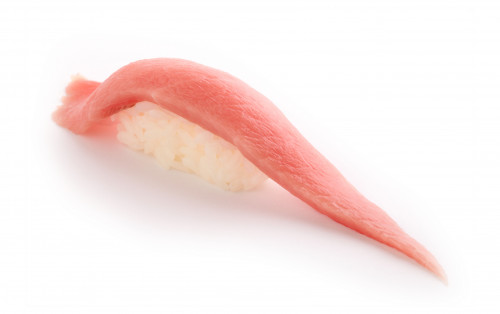
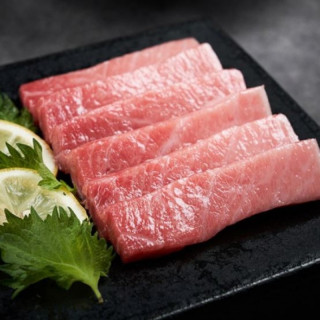
中トロ2貫
The different parts of a tuna can be broadly categorized into two: the fatty portion called "toro" and the other parts known as "akami" or red meat. Toro can also be further divided into various sections, but the most fatty portion known as "otoro" (大トロ) and the representative toro section with a moderate amount of fat known as "chutoro" (中トロ) are often mentioned. Generally, otoro refers to the belly area closer to the head of the tuna, while chutoro refers to the meat found in the belly and back areas. However, there is no clear definition that distinguishes otoro from chutoro. Recently, Sushineta, which is more than twice the price of akami, has gained popularity. However, in old Japan, akami was the preferred part of the tuna, while toro was considered a discarded section. The people of old Japan preferred a clean taste over a fatty one, and due to the lack of refrigeration and preservation techniques, the fatty toro section easily underwent flavor changes. During the Edo period, it was even considered a fish that not even a cat would bother to touch, and was called "nekomatagi" (猫またぎ) meaning "a fish that a cat simply passes by." It was only later, as the Japanese palate evolved and refrigeration technology advanced, that toro gradually gained its current popularity. The term "toro" originates from the Japanese word "torokeru" (とろける), meaning to melt. It was in 1918 at the Nopo sushi restaurant "Yoshinozushi" in Tokyo that the term "toro" began to be used and spread nationwide. Prior to that, it was referred to as "abu" (アブ), derived from the first character of "abura" (脂), meaning fat, indicating the fatty section.
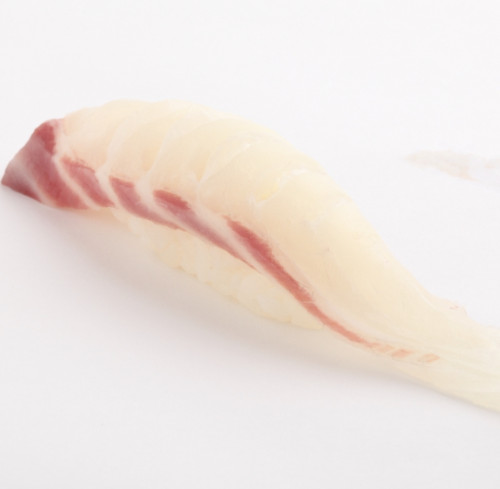
季節の白身
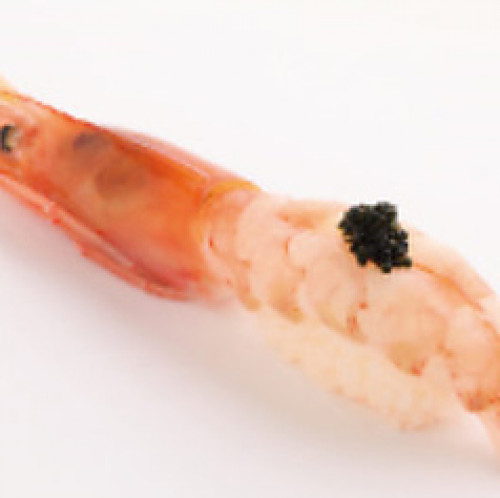
大赤海老
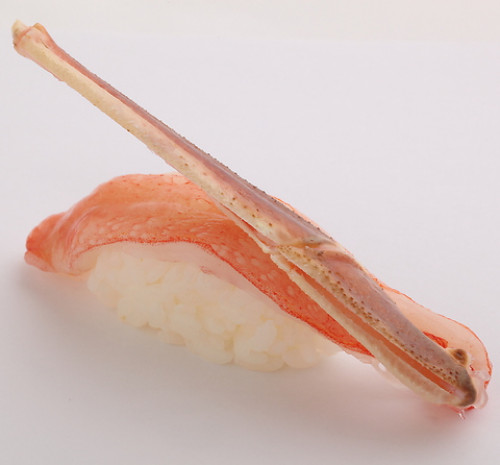
生ずわい蟹
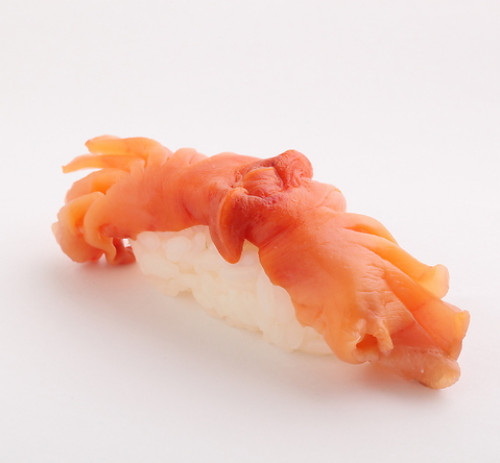
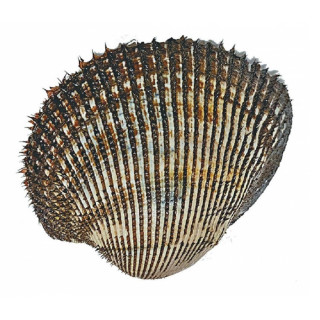
赤貝
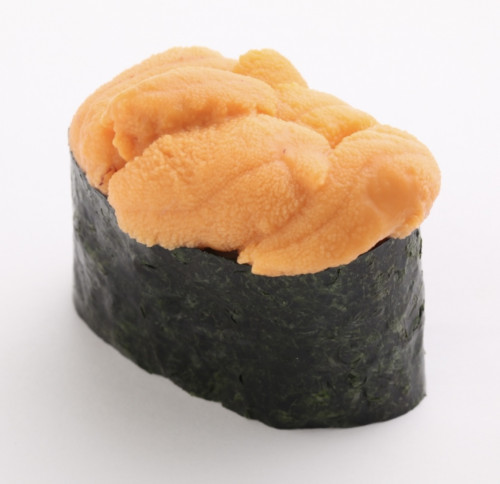
ウニ
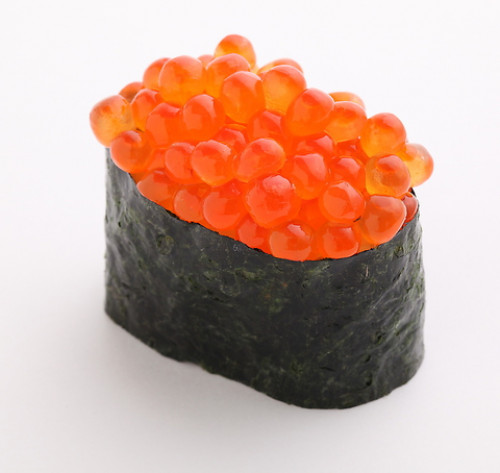
イクラ
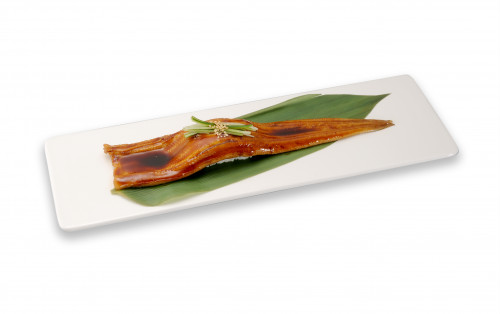
元祖穴子(一本付)
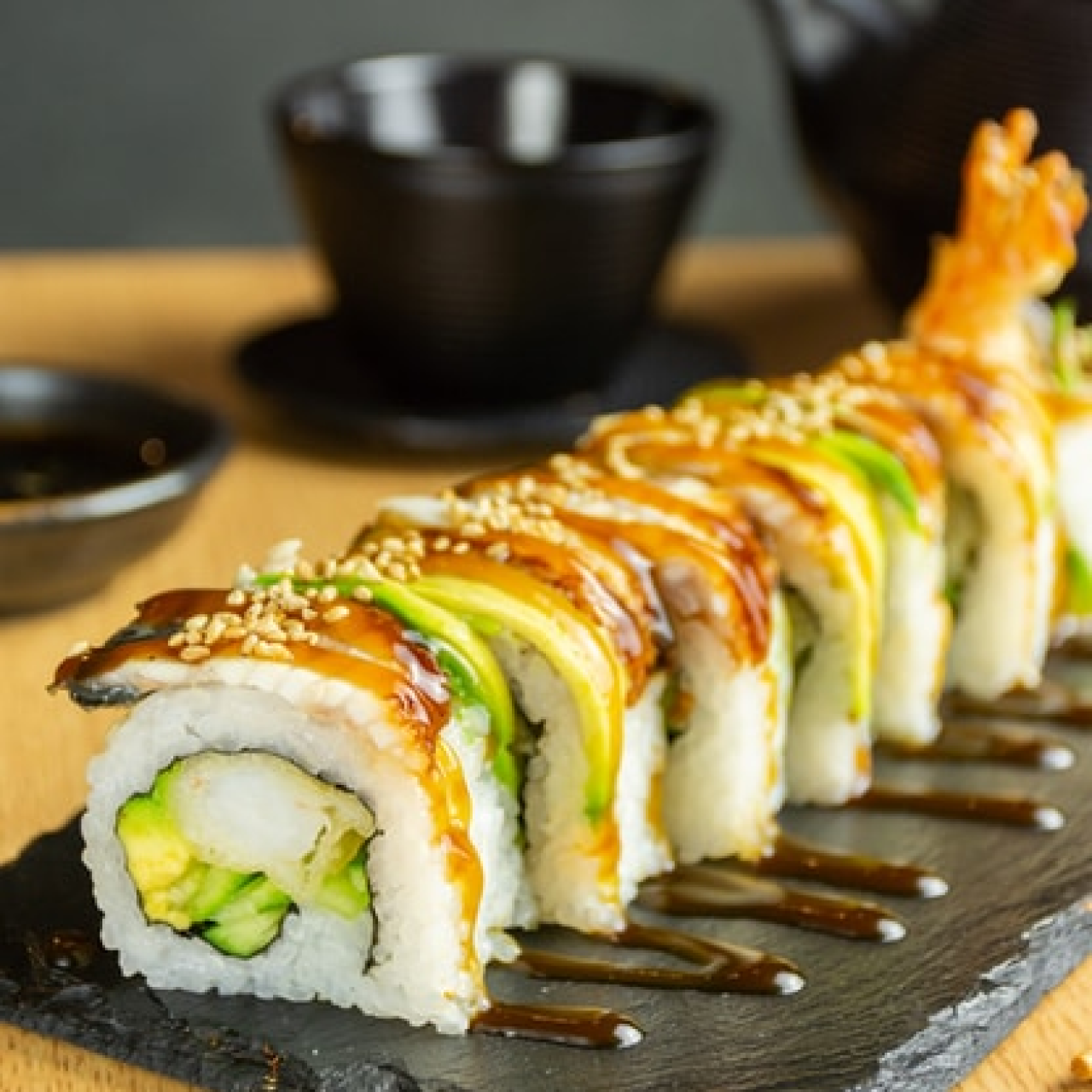
An essential ingredient in sushi and tempura is the conger eel. The conger eel, also known as Anago in Japanese, is commonly referred to as the sea eel. "Anago" originates from its habit of spawning in crevices between rocks or sandy areas. Although conger eels and freshwater eels (unagi) have a similar appearance, conger eels have white spots along their sides and fewer scales. Unlike the rich and oily flavour of freshwater eels, conger eels have a milder taste due to their lower fat content. In the Kanto region of Japan, conger eels are commonly prepared as "Nianago" (simmered conger eel) or "Tenpura" (tempura). In contrast, in the Kansai region, they are often grilled and known as "Yakianago" (grilled conger eel).
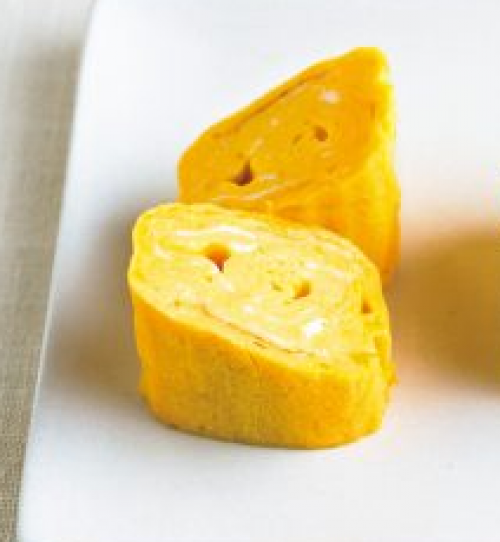
玉子
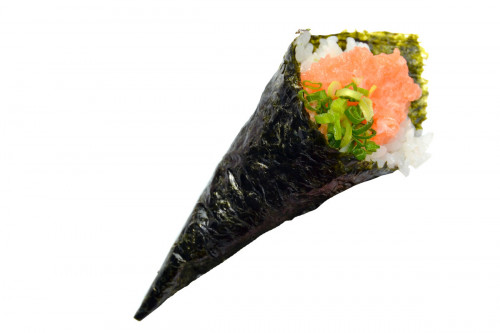
ねぎトロ手巻き